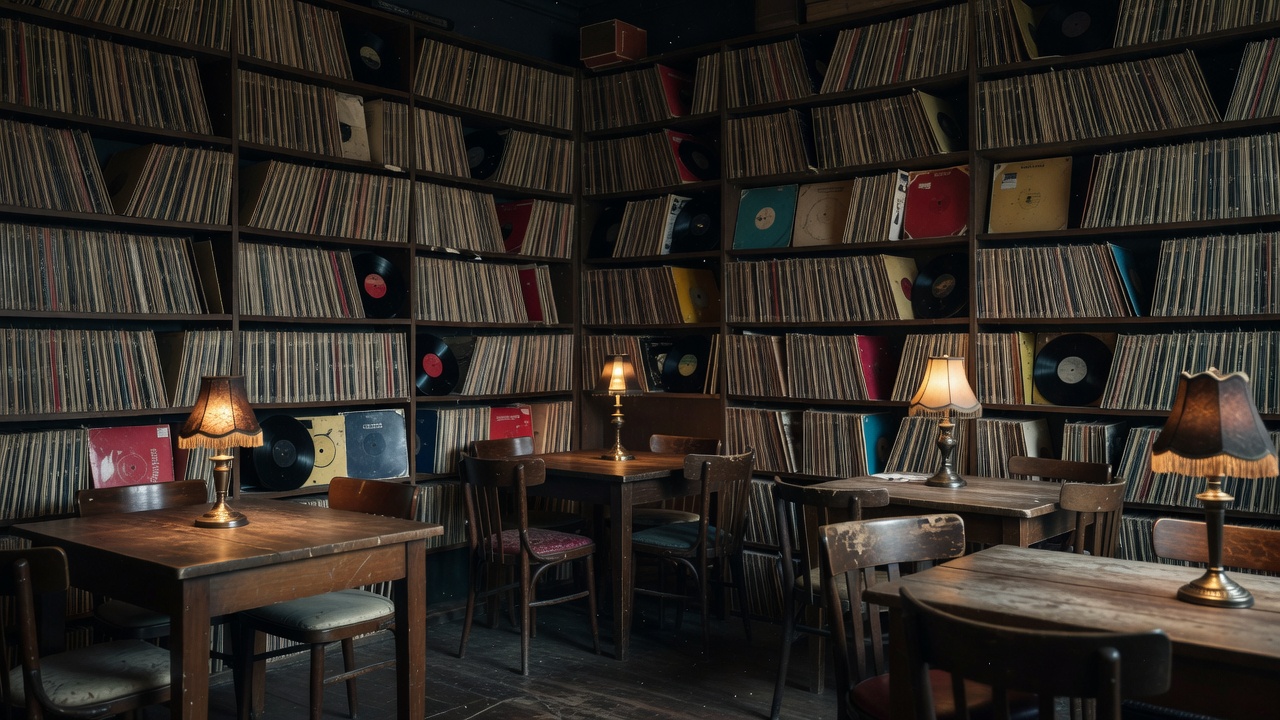
When you think of Tokyo, the mind often conjures images of chaotic pedestrian scrambles, neon-lit electronic districts, and towering skyscrapers. But hidden beneath the bustling streets of neighborhoods like Shinjuku, Shibuya, and Shimokitazawa lies an unexpected sanctuary: the Jazz Kissa (jazz cafe).
Originating in the years following World War II, the jazz kissa emerged from a very specific set of circumstances. Imported jazz records were incredibly expensive, far beyond the reach of the average Japanese citizen. In response, entrepreneurial jazz enthusiasts began opening small cafes where patrons could buy a cup of coffee and listen to the owner's extensive, curated record collection.
Rules of the Room
To Western sensibilities, a cafe is a place of socialization. The jazz kissa challenges this entirely. In many of the most traditional establishments, conversation is explicitly forbidden. Patrons sit in rows, facing colossal, custom-built speakers—often vintage JBLs or Altec Lansings—as if attending a religious service.
"The first time I descended into a basement kissa, the silence of the patrons was deafening. The only sound was the crackle of a needle hitting vinyl, followed by the explosive brass of a John Coltrane solo."
The atmosphere is thick with intention. You are not there to work on a laptop or chat with a friend; you are there to practice active listening. The master of the house (the *master*) curates the playlist with extreme prejudice, selecting sides of vinyl based on the mood, the weather, and the time of day.
The Analog Obsession
The equipment found in these hidden basements is a testament to Japanese audiophile culture. It is not uncommon to find amplifiers built from scratch utilizing rare vacuum tubes, paired with turntables that require manual calibration before every play. The focus on sonic purity is paramount. This creates a deeply unexpected auditory experience in the middle of one of the world's noisiest cities; the acoustics of these small, soundproofed rooms often rival world-class concert halls.
Why They Remain Hidden
You won't find a flashing sign for a jazz kissa. Most are located down narrow stairwells, behind unmarked heavy wooden doors, or tucked into the upper floors of non-descript multi-tenant buildings. The survival of these spaces is precarious. As property values in Tokyo rise and the original generation of proprietors ages, the classic jazz kissa is becoming endangered. However, a new wave of younger audiophiles has begun to inherit or emulate these spaces, ensuring that this deeply idiosyncratic slice of Tokyo culture persists.
If you find yourself overwhelmed by the sensory overload of Tokyo, seek out a basement door with a faint jazz melody leaking through the frame. Order a dark coffee, observe the silence, and experience the most unexpected, tranquil place the city has to offer.